Governance is a core part of Web3 products, but in many startups, voting and decision-making still feel complex and unclear for participants.
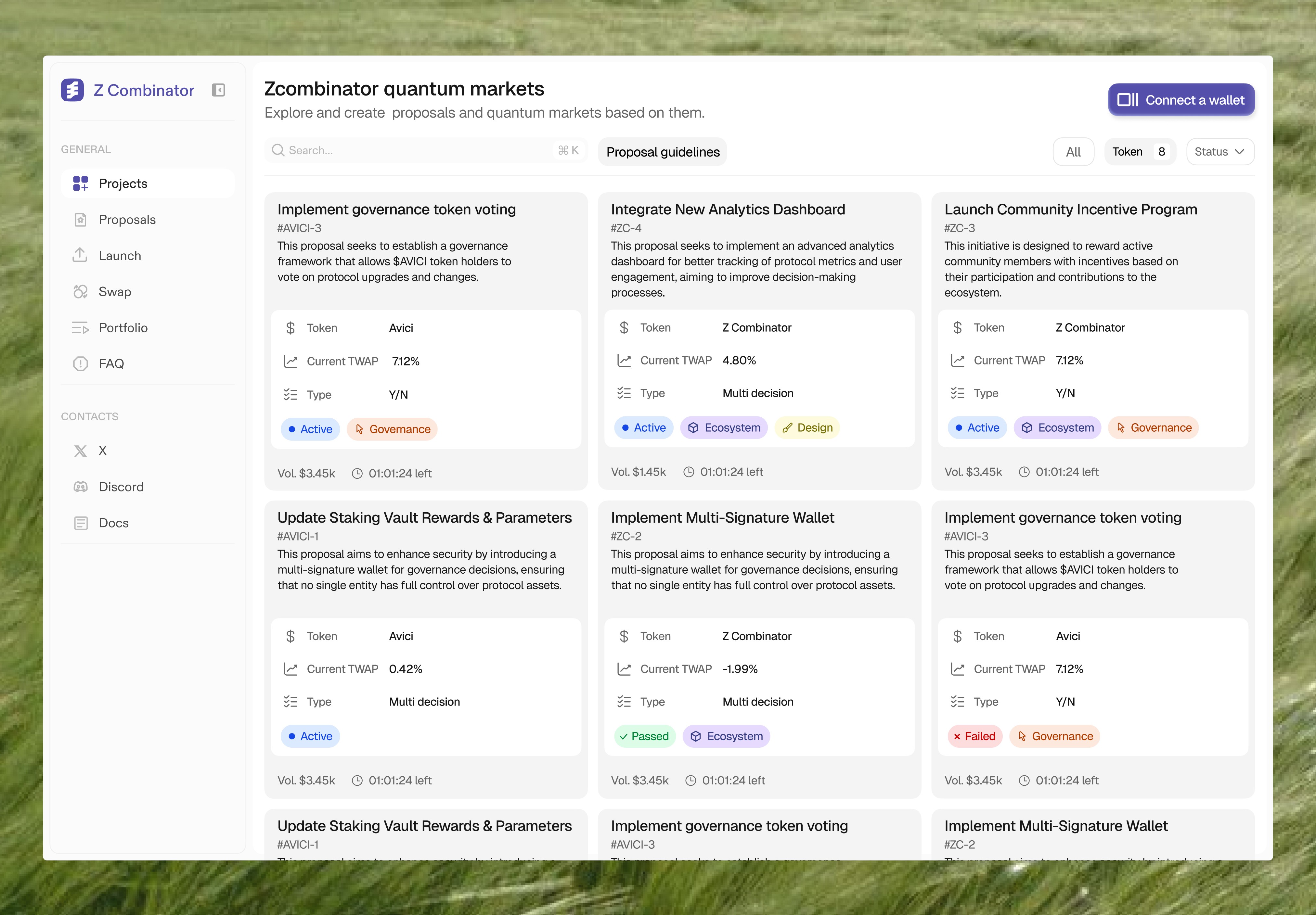
Z Combinator is a launchpad for Web3 startups with built-in futarchy and decision markets. I redesigned the product to make proposals, voting, and market-based decisions easier to understand and use.
Scope
Product design, User Research, Design system
Time
August 2025 - October 2025
Tags
Desktop
Web3
Governance
75% increase
Number of created proposals
$34k to $61k
30+
positive reviews after redesign
The product lacked a clear UX structure: users struggled to understand where to create proposals, vote, and explore decision markets.
The visual system was inconsistent, which made the platform feel more complex and less trustworthy.
The business needed to increase the number of created proposals and make participation in governance more active.
Research
I started with the main question: how users move through governance and voting flows in Z Combinator, and where they lose the connection between proposals, decision markets, and trading.
Since full futarchy products are still rare, I used prediction market platforms as the closest reference and studied how they structure information, user actions, and decision-making.
I conducted interviews to understand how users currently work with the platform: what tasks they try to complete, how they move through the main flows, and where they lose clarity.
The interviews showed that users struggled to understand where to take key actions, how product sections were connected, and how to move through the main scenarios. Based on these findings, I focused on a clearer structure, stronger navigation, and more explicit links between governance flows and decision markets.
Users often arrive from Discord or Twitter links and get lost when trying to explore beyond the initial page.
Users care about both governance and financial outcomes, but don’t understand how proposals connect to markets and trading.
Users wanted a clear linear flow from proposal to market to trading.
“It’s hard to understand which proposals are active. A simple label would save so much time.”
"Markets make sense to me, but proposals look disconnected from trading. I wish the flow was linear.”
“I didn't know that I can also create a decision market on ZC"
Key takeaway: the interface should not just show proposals and markets, but explain what is happening, why it matters, and what action is available next. That’s why I focused on a consistent flow, clear statuses, and more obvious entry points for participation.
Mapping
Based on the insights, I moved into the product structure: proposals, decision markets, and user actions needed to be connected into one clear flow. The goal was not just to update the interface, but to build a logic where users understand where they are, what is happening with a proposal, and what action they can take next.
Based on these findings, I created a new information architecture: connected key sections, clarified entry points, and built a clearer path from proposal discovery to market participation. This structure became the foundation for the product’s UX redesign.
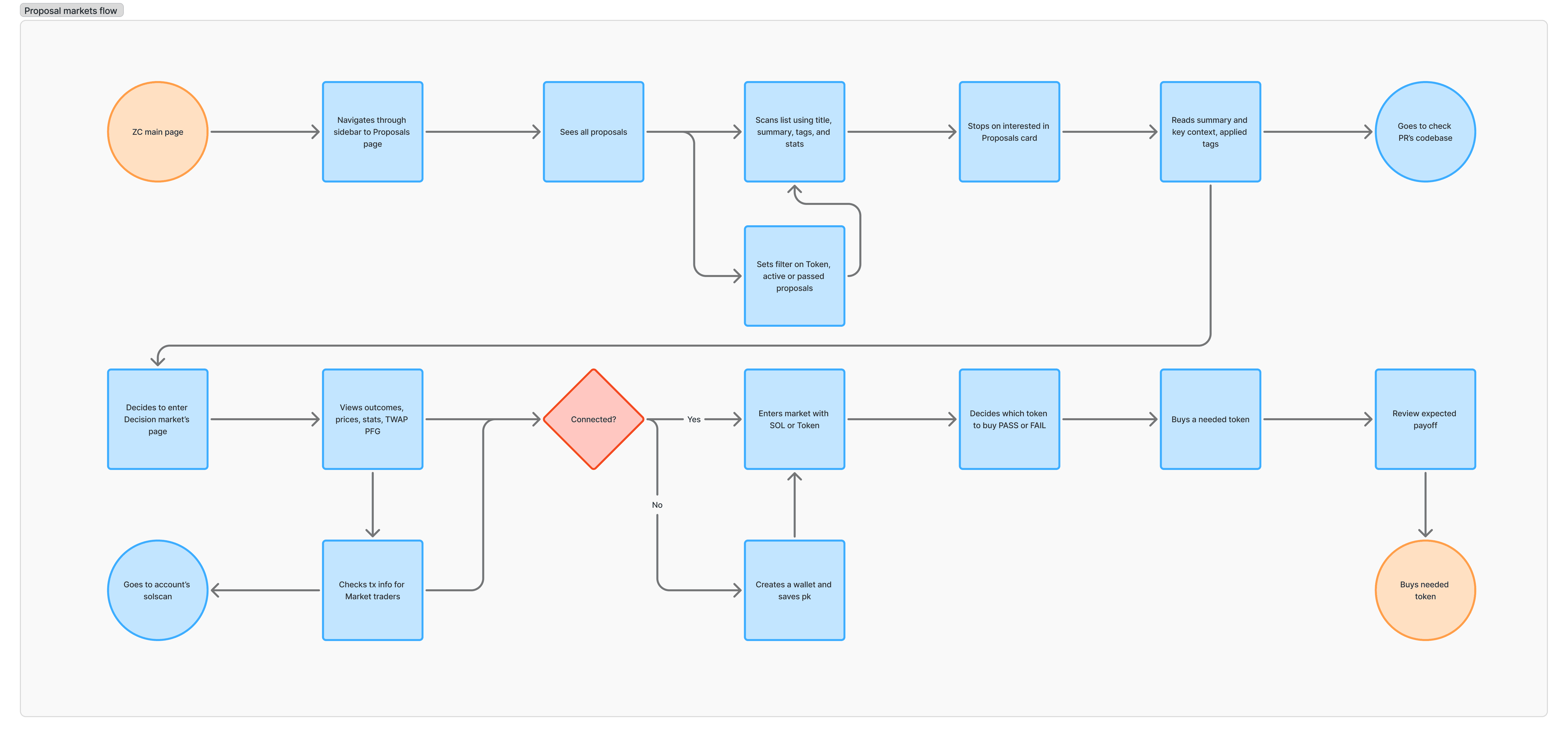
I mapped the flow of entering a decision market to turn research findings into a clearer and more consistent user journey. This helped identify friction points, simplify the transition from viewing to action, and create a foundation for further UX decisions.
— Connect proposals, markets, and trading into one coherent flow
— Introduce a clear proposal → market → action journey
— Surface proposal creation and core actions earlier
— Improve discovery without relying on external links
— Add decision-making context to proposal pages
— Define clear entry points across the product
— Design for quick understanding and confident action
— Establish a consistent product structure and hierarchy
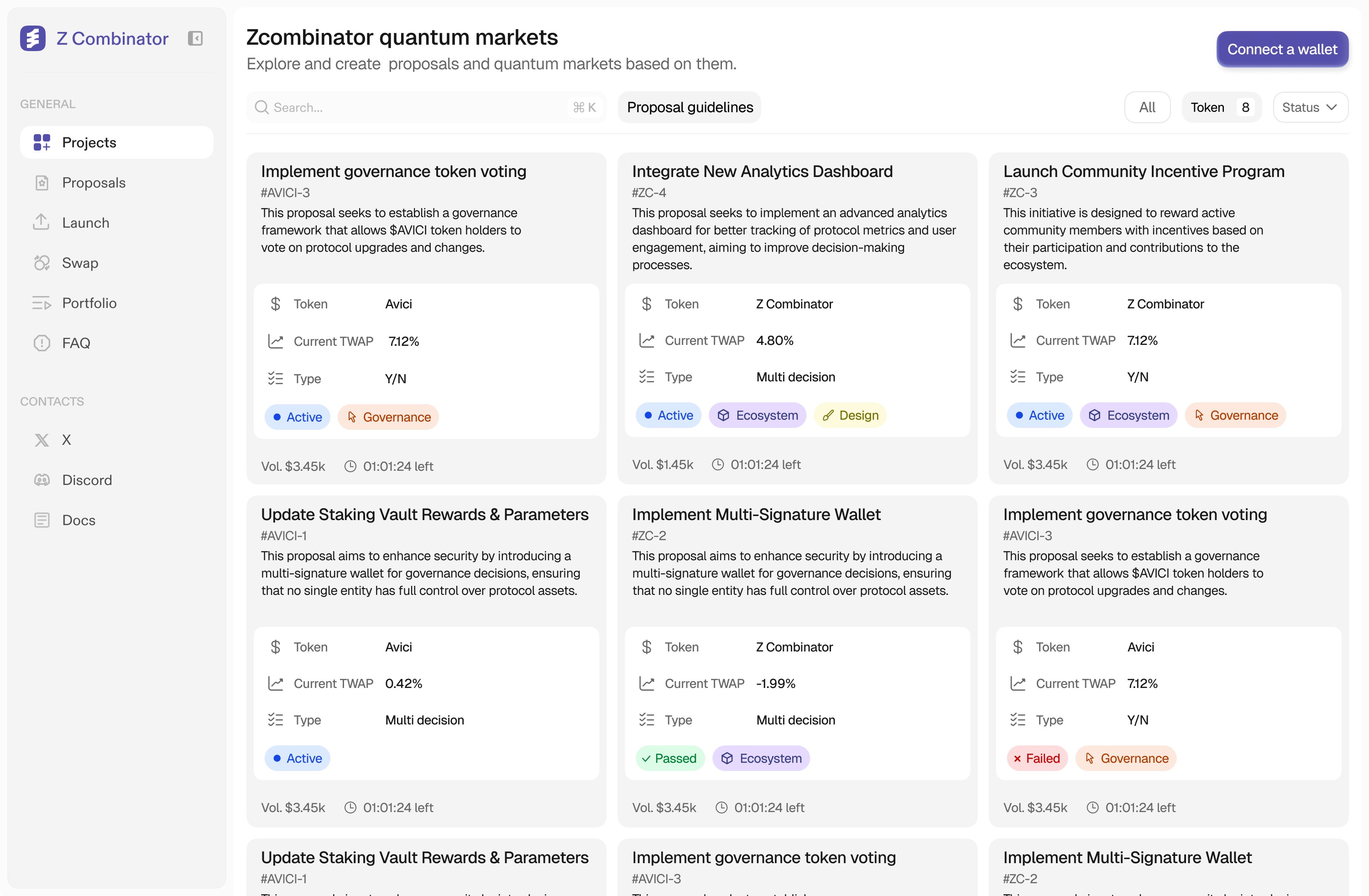
Redesigned the main screen into a unified discovery layer where users can explore, evaluate, and act on proposals in one place. Instead of fragmented sections, proposals, market data, and statuses are combined into a single, scannable interface.
Made proposal states (active, passed, failed) and categories immediately visible. This improves trust in the system and helps users understand what is happening without additional effort.
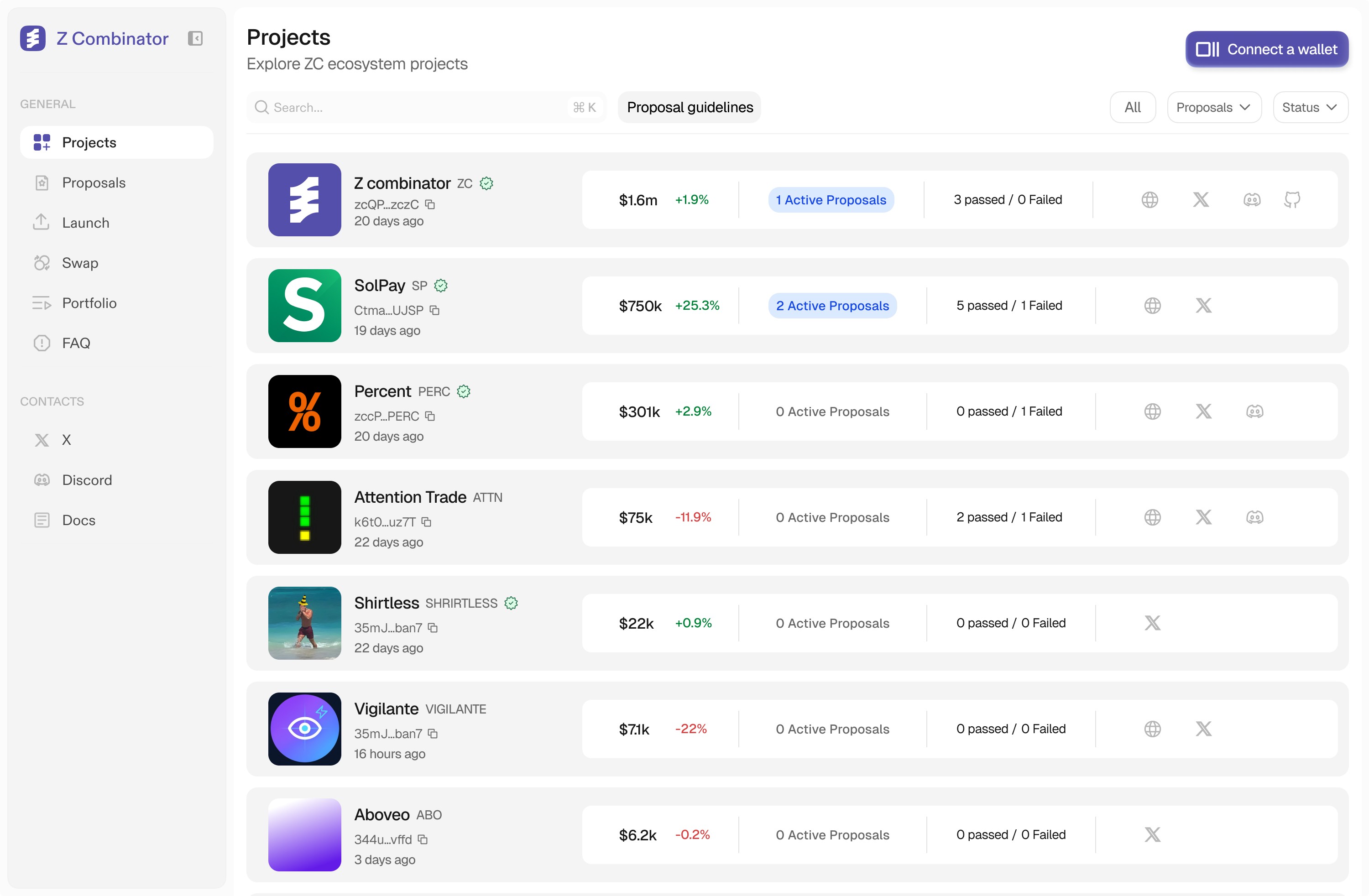
Designed the Projects screen as a high-level entry point into the ZC ecosystem. Instead of a static project list, each row surfaces the most important signals - market cap, price change, active proposals, governance history, and external links - helping users quickly understand which projects are active and worth exploring.
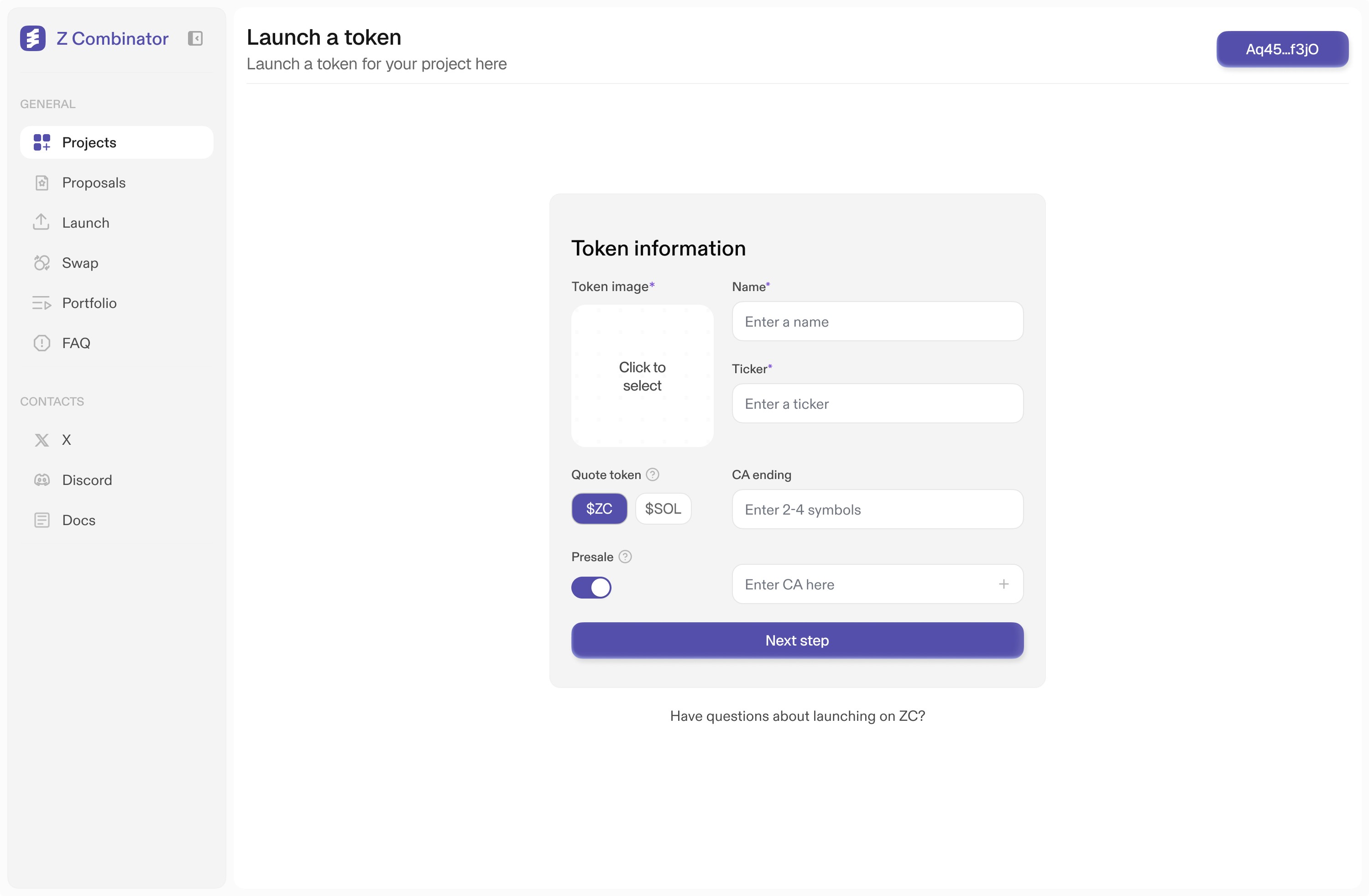
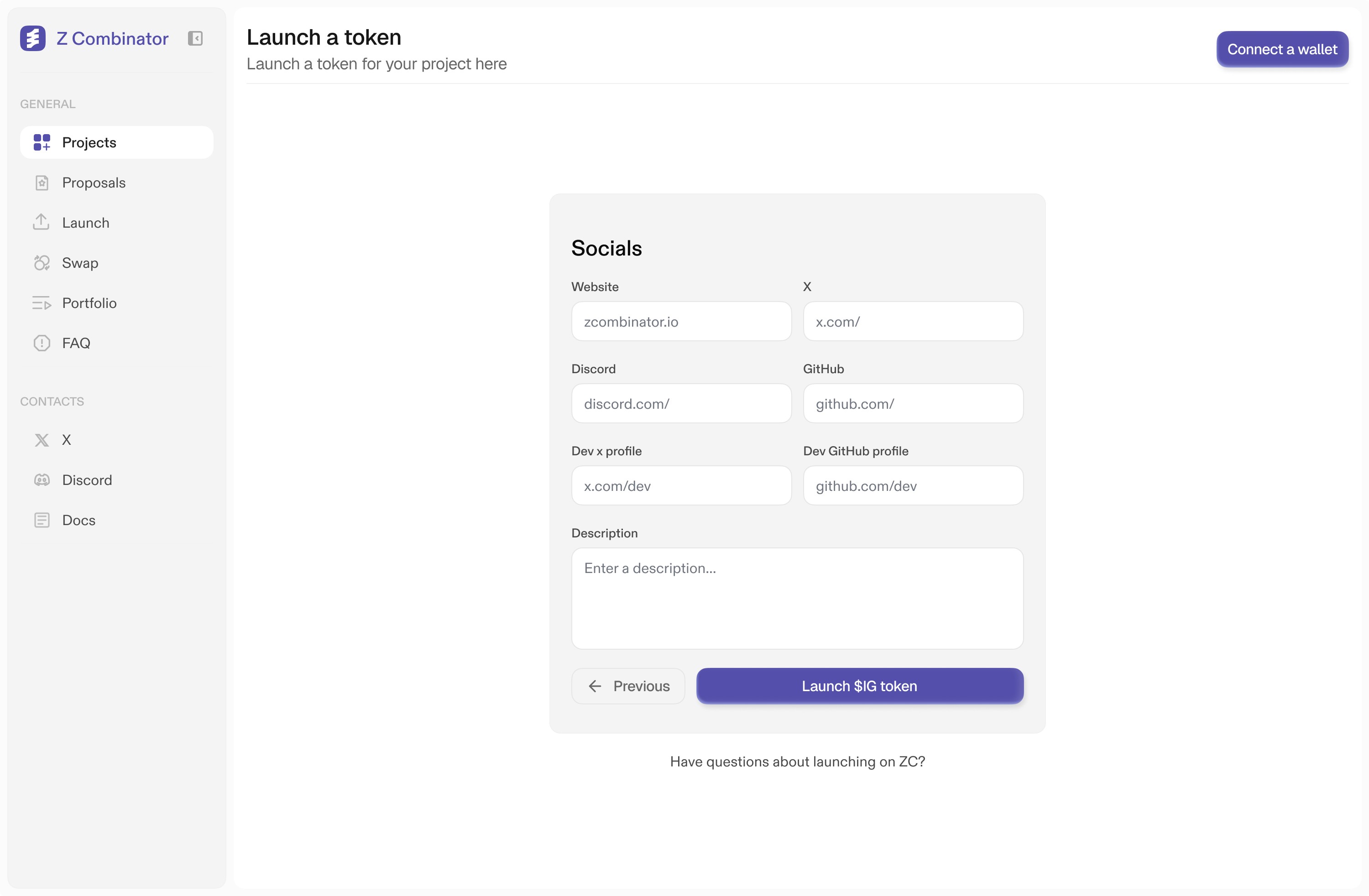
Streamlined the token creation process into a clear step-by-step flow. Grouped related inputs, reduced visual noise, and introduced a guided progression, making it easier for users to complete complex actions without confusion.
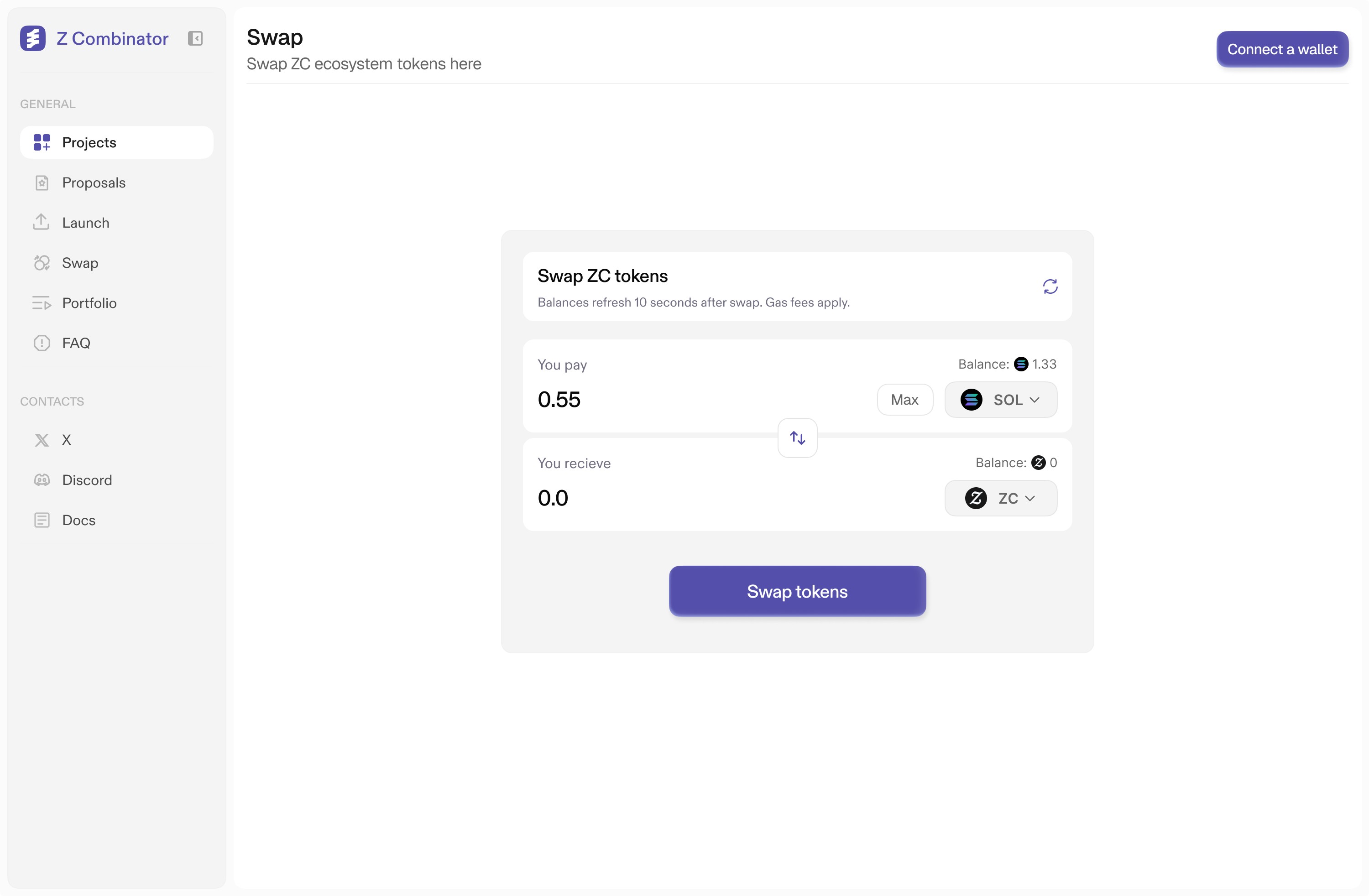
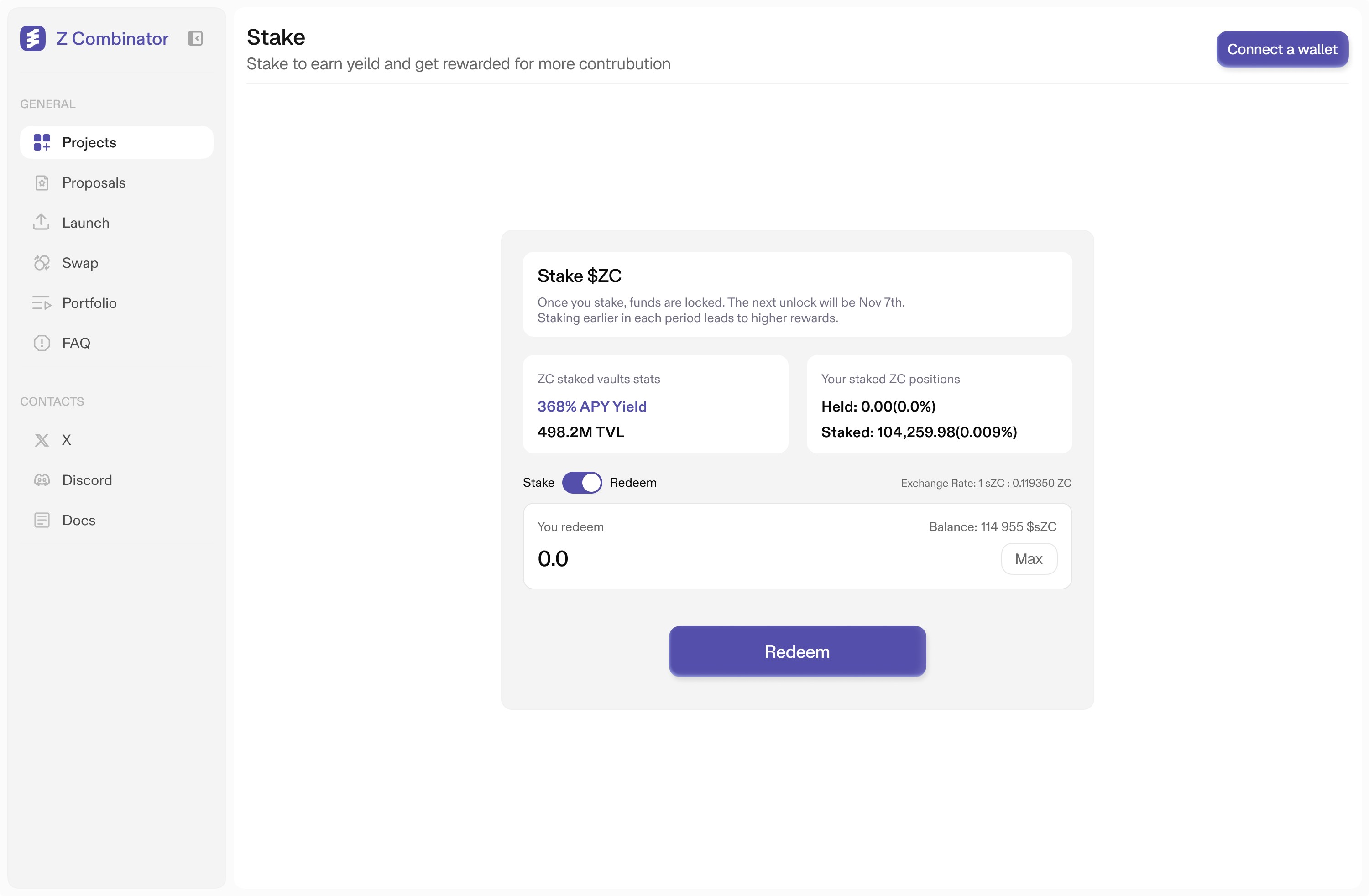
Reused common interaction models from existing DeFi products to lower the learning curve. Instead of introducing new mechanics, the design relies on patterns users already recognize, making the experience feel intuitive and reducing hesitation.
Two weeks after redesign, the updated product showed clear early traction. The new structure made core flows easier to follow, improved navigation across proposals and markets, and received strong positive feedback from users. Beyond usability gains, the redesign also helped strengthen engagement around the platform.
75% increase
Number of created proposals
$34k to $61k
Average trading volume per proposal
30+
positive reviews after redesign